
Trade Winds Shift: U.S.–UK Steel Deal & Nippon Steel’s Golden Share
In a week dominated by major strategic moves, the steel and metals sector saw two monumental developments: the signing of the U.S.–UK tariff agreement, and Nippon Steel’s acquisition of U.S. Steel, complete with a protective “golden share.”
🇺🇸🇬🇧 U.S.–UK Trade Settlement: Tariffs and Trillion-Dollar Gains
-
The U.S. and United Kingdom finalized a trade deal granting a free-trade provision that will preserve steel tariffs at 25% for UK imports, down from the current 50% threat, while still encouraging more U.S.–UK commerce—notably in aerospace and agriculture.
-
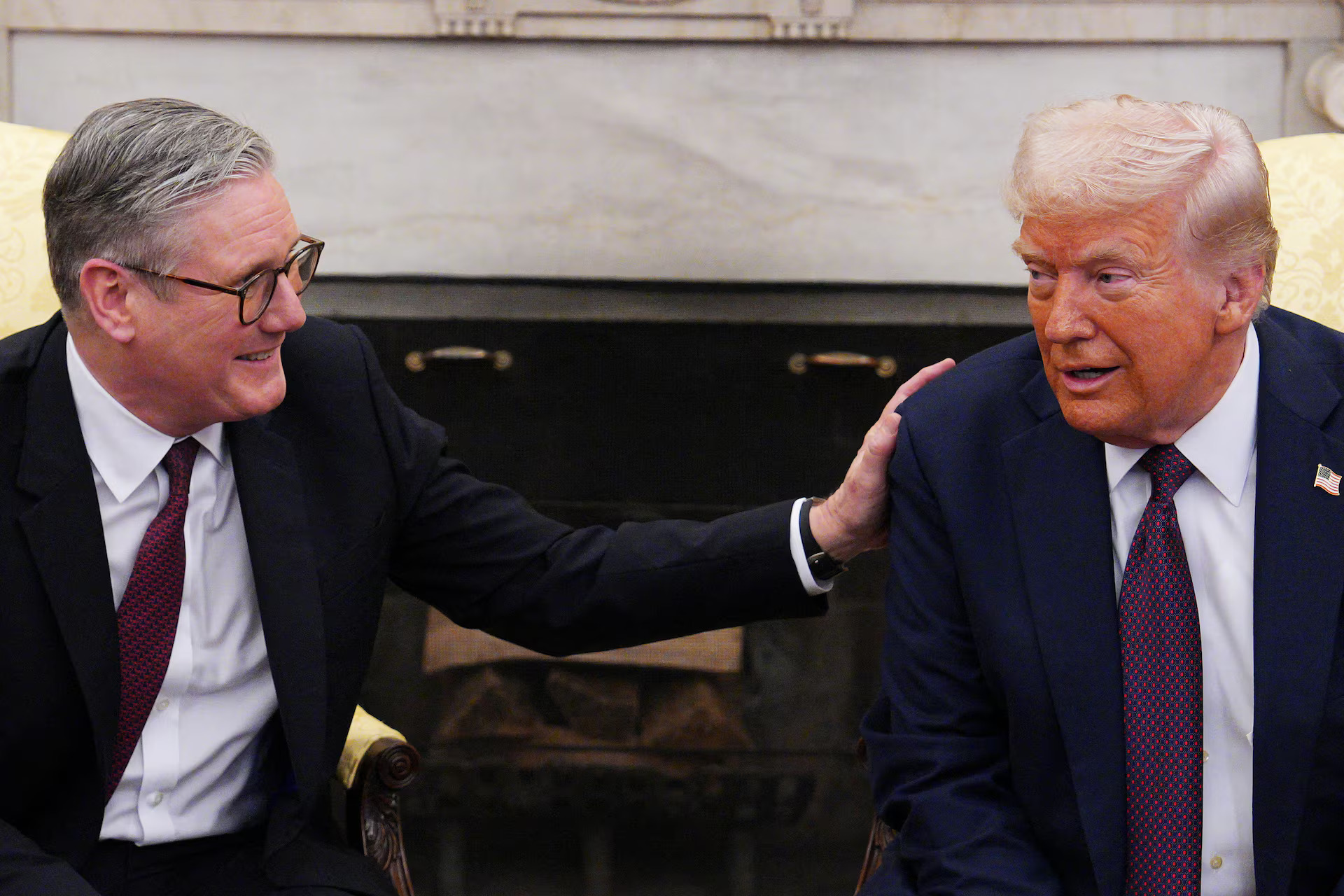
President Trump and UK PM Keir Starmer described the pact as a “win-win”, promising to boost bilateral trade while protecting domestic industries. The agreement includes commitments for the UK to increase Boeing purchases and open agricultural markets.
🇯🇵🏭 Nippon’s Steel Acquisition: U.S. Government’s Golden Share
-
Nippon Steel’s $14.9 billion takeover of U.S. Steel was greenlit with national security safeguards: a “golden share” granting the U.S. President veto power over key corporate actions—like plant relocations, mergers, or board appointments.
-
The deal includes a pledge of $11 billion in capital investment by 2028, aimed at modernizing U.S. mills and strengthening the country’s industrial infrastructure.
-
Following approval, U.S. Steel stock leapt over 5%, adding to a remarkable 61% year-to-date rally, far outperforming the broader S&P 500 index (+2.7%).
🌐 Industry Impact & Market Repercussions
🧭 Global Trade Flows Redefined
-
The U.S.–UK deal shields British steel from doubled US tariffs and helps keep supply chains stable.
-
Other nations—India, Australia, Brazil, and Canada—remain outside the exemption, prompting potential export shifts to Asia and Europe.
⚖️ Strengthening Domestic Industry
-
Federal control via the golden share ensures critical production capacity and U.S.-based decision making, securing approximately 100,000 steel jobs.
-
The substantial $11 billion investment will modernize steel plants, likely boosting efficiency and output.
🔍 Downstream and Global Ripples
-
U.S. manufacturers face rising costs amid tariffs, though the gold-standard guarantee may help stabilize steel access.
-
European producers may find new opportunities for redirected exports as U.S. and UK supplies adjust to the new policies.
-
The unfolding global reaction—especially from the EU and Canada—will be key to tracking future trade dynamics.
📌 What to Monitor
-
Exemptions renewal: Will the U.S.–UK tariff relief extend beyond the July deadline?
-
Infrastructure rollout: Detailed plans showing how the $11 billion investment is deployed and modernizes U.S. capacity.
-
Price movements: How European and Asian steel prices respond to redirected exports and altered market dynamics.
Summary
This week’s leadership in steel strategy lies in the U.S.–UK tariff arrangement and Nippon’s national-security-protected takeover. Together, they represent a major pivot in global steel trade and investment. With structural shifts in exports, secure U.S. capacity, and industry-wide recalibration, your export strategies may need realignment, but opportunities are opening in new markets and supply dynamics.