
Port Fees: U.S.–China Trade Moves into Shipping Frontlines
⚖️ New “Tit-for-Tat” Port Levies Hit Shipping Hard
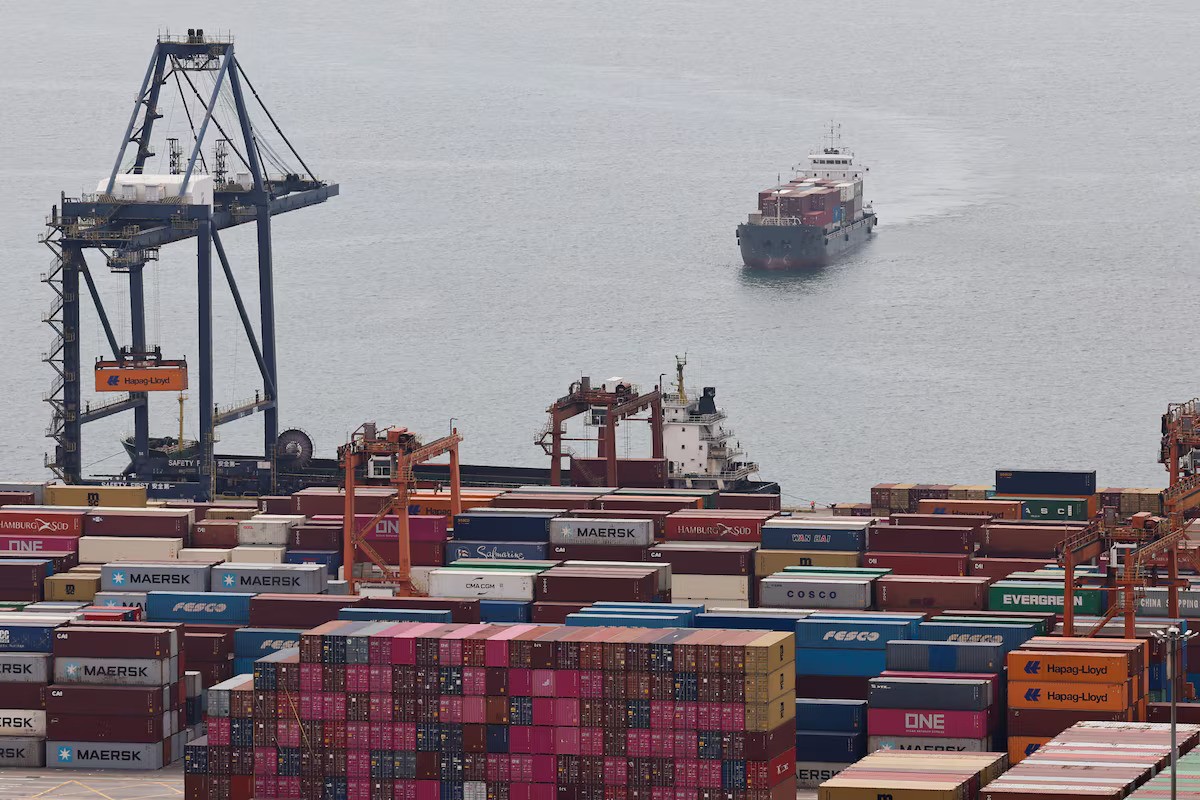
The U.S. and China have launched reciprocal port fees that target each other’s shipping interests. As of October 14, the U.S. began charging extra fees on Chinese-linked vessels, while China retaliated with port levies on U.S.-associated ships. For example:
-
China’s fees apply to U.S. vessels built, flagged, or operated by U.S. entities—starting at 400 yuan (~$56) per net ton, rising in stages to 1,120 yuan ($157) by 2028.
-
The U.S. structure similarly scales fees, pushing shipping costs sharply upward.
This escalation is not just symbolic—it’s shaping global maritime routes, costs, and strategies.
📉 Disruption Across Shipping Routes & Trade Flows
Carriers are making swift adjustments:
-
Some are rerouting away from U.S. and Chinese ports to avoid fees.
-
Others are offloading cargo mid-journey or switching ownership flags to circumvent rules.
-
Analysts warn that COSCO stands among the hardest-hit, with projected multi-billion dollar fee exposure in 2026.
The ripple effects include:
-
Shipping rate volatility as carriers pass costs onto shippers.
-
Trade shifts: exporters may favor alternate markets or ports to avoid penalized lanes.
-
Operational complexity: logistic chains now must factor port fees, route changes, and compliance risk.
🌐 Strategic Implications for Trade & Exports
This port-fee spat intensifies the broader U.S.–China trade war. It transitions conflict from high-level tariffs into everyday logistics and maritime operations.
For exporters:
-
Cost models are changing: fees add to landed cost and may force margins compression.
-
Route agility is now essential: flexible logistics, alternate ports, and secondary markets will command advantage.
-
Transparency and planning: buyers will expect clarity on charges, delays, and adjusted routing.
From a macro view:
-
These port fees deepen fragmentation in global supply chains.
-
They strengthen arguments for regionalization, as firms hedge against international uncertainty.
-
They could draw in more countries to align or oppose depending on their trade exposure.
📌 What to Monitor Next
-
Fee escalations: how rapidly do these port fees rise over 2026–28?
-
Legal and diplomatic pushback: will WTO or trade bodies contest the legality of these levies?
-
Carrier responses: how many vessels will be reflagged, decommissioned, or reassigned?
Summary:
The trade war just docked in ports. With port fees becoming a frontline, the battle has moved from tariffs to routes themselves. The logistics of shipping—once a passive cost—now becomes a strategic battleground. For global exporters, the ability to anticipate, pivot, and protect margin is crucial.