
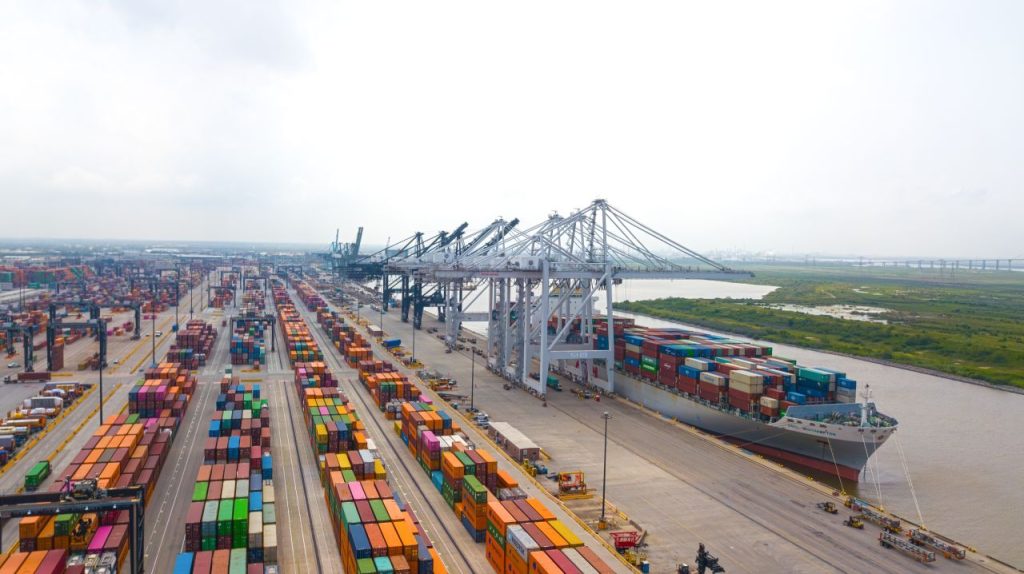
Trade Routes Rewired: Freight Rates Slump Amid New U.S. Tariffs
📉 Slumping Freight Rates Signal Market Shift
Asia–U.S. sea freight rates continue to plummet—58% on the West Coast and 46% on the East Coast since June 1—driven by excess capacity and tariff uncertainty.
🇺🇸 Tariff Surge: U.S. Extends and Expands
The U.S. has rebutted with a wider and more permanent wave of tariffs—10% to 41% baseline, with sectoral peaks of 50% on steel/aluminum and up to 100% on semiconductors, reshaping global trade dynamics.
🛠 Exporters Feel the Heat on Costs
Higher tariffs and soft freight demand create a double squeeze:
♦ Margins shrink as Chinese mills face duties, and exporters scramble for markets.
♦ Oversupply in key trade corridors pushes container rates to historic lows, affecting shipping contracts.
🌍 Steel Trade Implications
1. Cost Rebalancing Ahead
Lower shipping costs may ease pressures—but higher tariffs on steel nationally mean exporters still face a margin squeeze.
2. Market Realignment
Alternate markets—Southeast Asia, Middle East, Latin America—look increasingly attractive amid U.S.–China tensions and tariff volatility.
3. Speed & Flexibility Win
Software-driven supply chains, flexible routing, and carbon-efficient shipping gain strategic importance amid shifting rates and tariffs.
⏭ What to Monitor Next
→ Will U.S.–China extend their 90-day tariff truce beyond August 12, or escalate tensions again?
→ Will freight rates rebound or stay suppressed through the slow Q3 freight season? Expect shipowners to adjust capacity fast if demand improves.
→ Which regions benefit as trade flows diversify away from Asia–U.S. corridors?
Executive Summary
This week’s combined freight instability and expansive U.S. tariff regime are reshaping logistics for the steel trade. Falling freight rates help—but tariff hurdles remain. Smart exporters must pivot quickly—shocks in the tariff–freight matrix demand agility, cost oversight, and market diversification.