
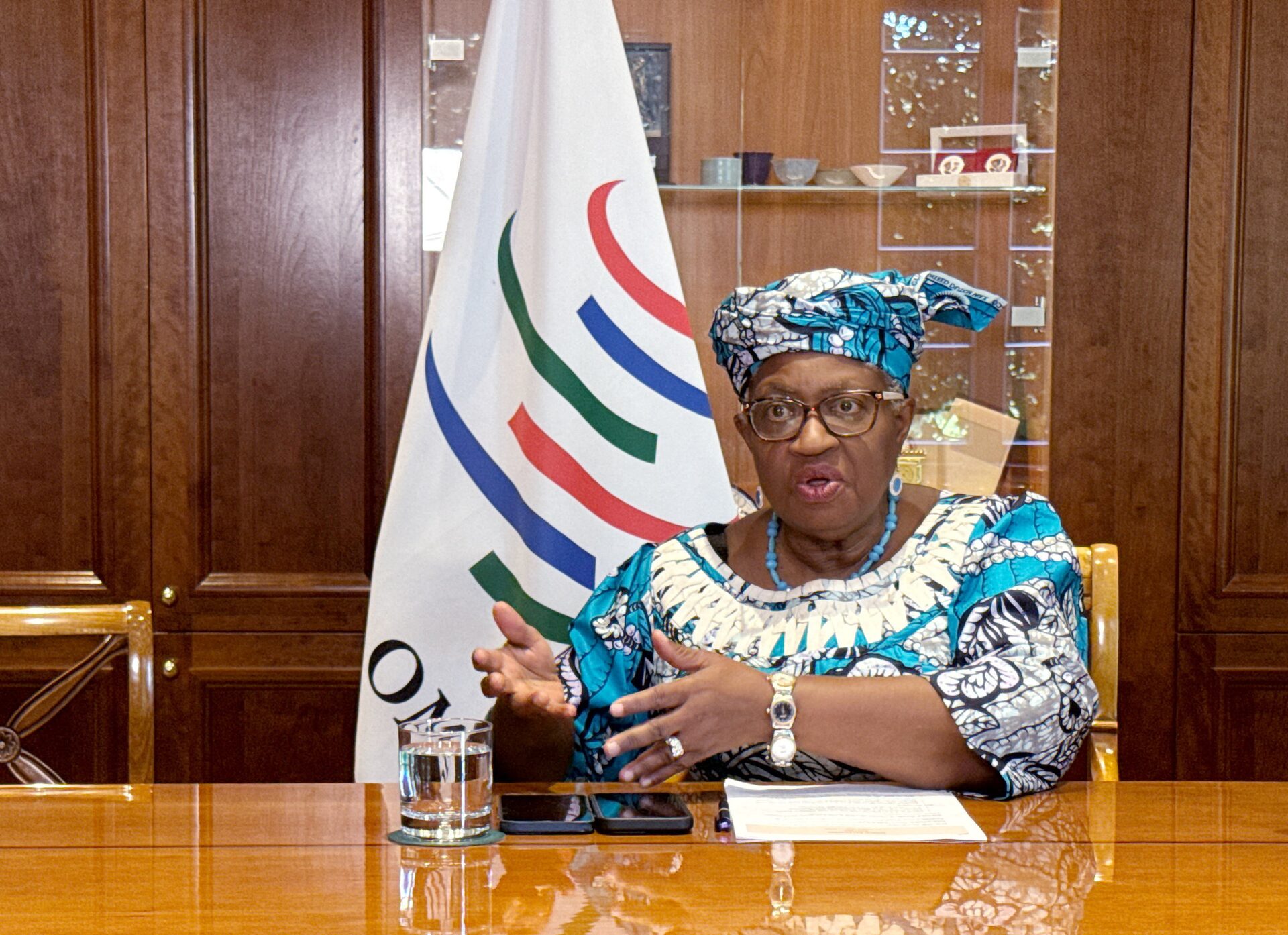
Trade Alarms: WTO Warns Tariffs Are Breaking Global Rules
🇺🇸 Uproar at the WTO
The World Trade Organization (WTO) has issued a stark warning this week. Its Director-General, Ngozi Okonjo-Iweala, said recent hikes in import tariffs across major economies are causing “unprecedented disruption” to established trade rules. The share of global trade conducted under the WTO’s Most Favoured Nation (MFN) terms has dropped from about 80% to 72%, and could fall further if current trends continue.
📉 Germany Feels the Pain
Germany’s trade lobby (BGA) reports that exports are projected to fall 2.5% in 2025 due to weakening global demand, rising protectionism, and steep domestic costs. Meanwhile, imports are expected to rise 4.5%, placing strain on Germany’s trade-centric economy. Other causes cited include stricter supply chain regulations and tariffs from partners like the U.S. and China.
🔄 China Moves to Stabilize Trade
China’s Vice Commerce Minister Li Chenggang announced new policies aimed at stabilizing foreign trade, as exporters face volatile demand and regulatory friction. The aim is to ease burdens on businesses and push for more supportive external trade conditions.
🌍 Why It Matters Globally
-
Trade Predictability Erodes: As MFN rules weaken, exporters face unpredictable barriers—tariffs, quotas, dumping laws—that make planning riskier.
-
Cost of Protectionism: Countries like Germany are bearing the cost in falling exports and industry pressure. This increases pressure for governments to protect local industries—at the expense of free flow of goods.
-
Shifts in Sourcing & Supply Chains: Firms everywhere are rethinking where to make and ship goods—not just based on cost or capacity, but political risk and tariff exposure.
🛠 What Exporters Should Do
-
Keep updated on WTO disputes and trade policy changes in major markets (U.S., China, EU).
-
Structure contracts to include tariff penalty clauses or risk sharing.
-
Foster diversified market exposure—don’t rely overly on any one trading partner.
-
Prioritize compliance: documentation, origin certifications, and transparency will help avoid costly surprises.
🔭 What’s Coming Next
-
The WTO is expected to review whether more countries are violating MFN obligations—possible cases may come from Germany, India, or others.
-
Germany may push for wider EU policy responses to protect exporters—tariff relief, subsidies, or new trade agreements.
-
China’s stabilization policies will be closely watched to see if they really ease export pressures, or simply shift bottlenecks elsewhere.
In Summary:
This week’s sharp warnings—from the WTO, Germany, and China—highlight that global trade norms are under stress. For your export business, the rewriting of rules means higher risk, higher compliance cost, and greater need for nimbleness. Markets are rapidly adapting—and so should you.