
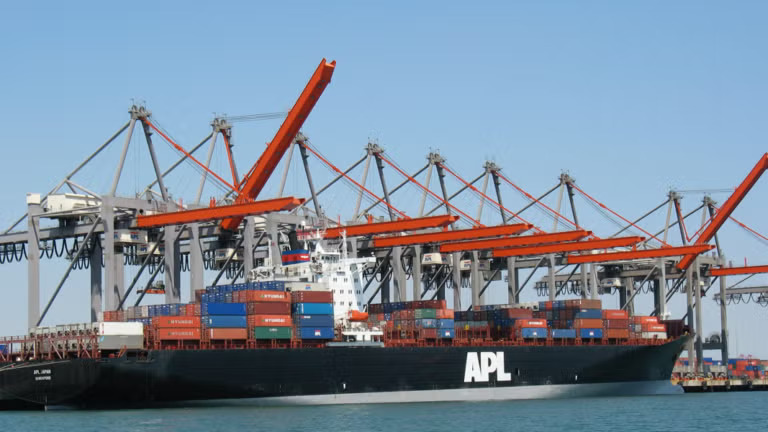
Shipping Decarbonized: IMO Rules Redefine Steel Exports
🌍 IMO Approves Net-Zero Emissions Framework for Shipping
This week, the International Maritime Organization (IMO) made a landmark decision by formalizing its Net-Zero Framework (NZF) for the global shipping industry. For the first time, large vessels—including container ships, bulk carriers, and tankers integral to steel export—will be subject to mandatory greenhouse gas (GHG) emissions limits and pricing mechanisms, set to come into force in October 2025.
The new framework applies to vessels over 5,000 gross tons, covering approximately 85% of shipping emissions globally. By imposing a carbon price of US $100 per tonne of CO₂ equivalent (rising to $380 for higher emitters), the IMO aims to reduce maritime GHG emissions from around 842 Mt CO₂e by 2030 to 530 Mt CO₂e by 2035.
📈 Steel Trade Implications: Costs, Competitiveness & Opportunity
🔧 1. Rising Freight Costs
Steel exporters will face higher shipping costs, as vessels pass the carbon price into freight rates. Market sources warn of up to 10–15% fare increases by 2026, depending on route emissions and fuel types . Those using older, less efficient ships will feel this pressure most acutely.
🌐 2. Shift Toward Cleaner Vessels
The IMO’s mechanism rewards the “best-performing” vessels using low-carbon or alternative fuels—like LNG, biofuels, or ammonia—by exempting them from costs. Mid-tier ships pay standard carbon prices, while the least efficient face steep penalties. This offers exporters a choice: pass increased costs on to buyers, or invest in lower-carbon logistics to remain competitive.
⚠️ 3. Strategic Supply Chain Reconfiguration
-
Exporters relying on Panamax or older bulk carriers may need to upgrade or charter cleaner vessels.
-
Some markets may prioritize purchasing from carbon-efficient shipping partners, impacting route choice and customer preferences.
-
Logistics providers will need to analyze carbon pricing against contract flexibility and sourcing strategies.
🌱 Long-Term Benefits and Risks
While short-term costs will rise, the IMO’s net-zero rules can catalyze innovation through:
-
Retrofits of existing fleets (scrubbers, fuel conversion systems)
-
New investments in alternative fuel infrastructure
-
Enhanced carbon efficiency branding, attracting eco-sensitive buyers
However, there are risks, such as:
-
Freight price volatility, especially during early transition years
-
Smaller operators already under margin pressure
-
Potential trade distortions if carbon pricing is unevenly applied across countries
🕒 Key Milestones and What to Watch
-
October 2025: NZF formally adopted by IMO; recast shipping contracts.
-
2026–27: Carbon-indexed freight rates become widespread.
-
2028: First-period emissions limits enforced; carbon price adjustments in effect.
-
By 2030–35: Initial emissions targets triggered; green shipping corridors and low-carbon fleets established.
🔑 Takeaway for Steel Exporters
The IMO’s net-zero rule signals a major shift in shipping cost structure and carbon disclosure expectations. As maritime freight underpins global steel trade, you should:
-
Audit your shipping carbon footprint
-
Prioritize carriers with clean vessels or low-carbon charters
-
Adjust pricing models to reflect increased shipping cost and compliance
-
Market your exports' decarbonization credentials—carbon-effective supply chains are becoming a competitive edge
Summary
This week’s IMO net-zero rule sets in motion the most significant maritime decarbonization effort in history, with immediate financial and logistical implications for steel exporters. While the transition brings higher costs and structural change, it also opens doors to green logistics, market differentiation, and a resilient, future-proof supply chain.