
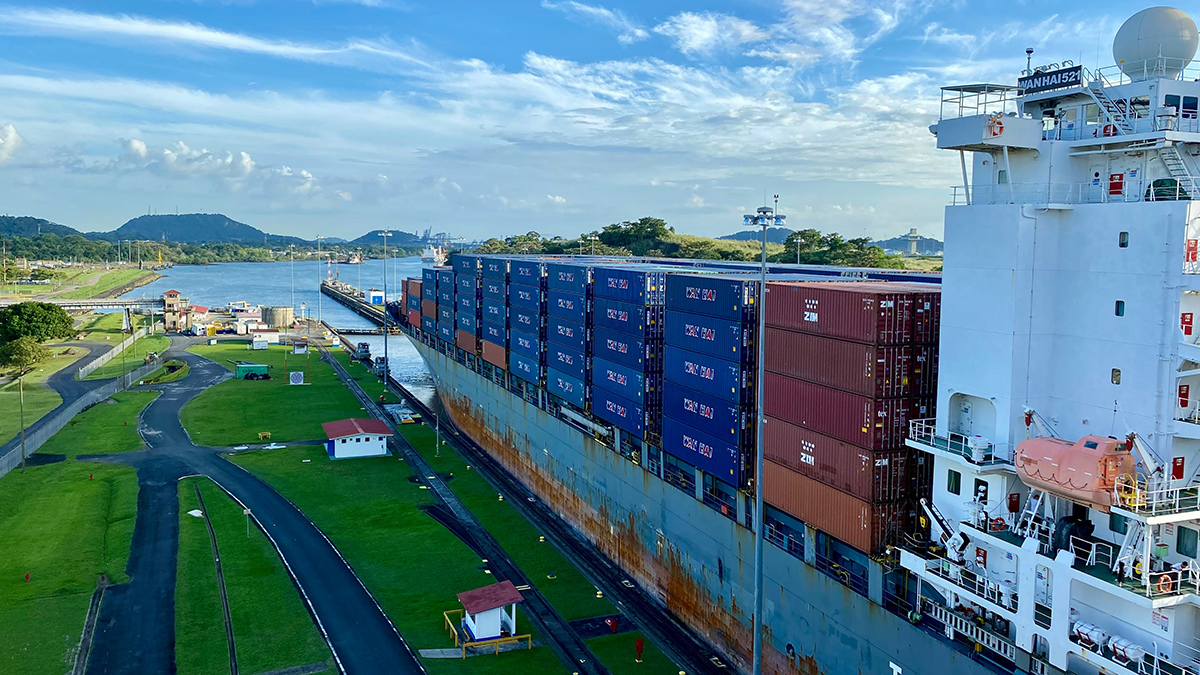
Panama Canal Strain: El Niño Drought Deepens Shipping Crisis
🌦 El Niño Hits Panama: Severe Drought Forces Cuts
For the second consecutive year, El Niño‑linked drought has aggravated Panama Canal water shortages, cutting transit capacity to record lows. The Panama Canal Authority (ACP) has reduced daily vessel slots from 36 to around 31, and in severe weeks, dropped to 25, with plans to go as low as 18 by early 2026.
Lock water levels remain borderline—while rain in 2025 has restored lake depth to 26 metres, daily transits are still 14% below pre‑drought 2022 levels.
⛵ Vessels and Routes: Draft Limits, Delays, Diversions
-
Ships are now restricted to down to 40 feet draft, forcing many to load 40% lighter—a major cost and capacity constraint.
-
Delays have surged: wait times for unreserved vessels now approach up to 21 days, and at the peak, 150+ vessels queued on both sides of the canal.
-
As a result, shipping lines are rerouting via Suez or Cape of Good Hope, adding 7–10 days travel and up to $1 million per voyage.
📦 Impacts on Trade and Costs
-
Freight costs surge: Reduced canal throughput pushes vessel rates higher, with ripple effects along export routes critical for steel trade.
-
Logistics uncertainty: Companies reliant on consistent scheduling face growing cargo unpredictability.
-
Carbon emissions increase: Longer voyages around southern Africa add significant fuel consumption—impacting sustainability goals and contracts tied to carbon footprints.
🔧 Strategic Response: What Exporters Should Do
-
Prioritize transit slots early—book in advance where possible, or use alternative routes preemptively.
-
Adjust shipping budgets to account for 15–30% longer transit times and higher freight rates.
-
Prep customers with transparent updates on timing, route security, and potential for emissions and cost adjustments.
🧩 Solutions on the Horizon
-
The $1.6 billion Rio Indio dam project, expected by 2030, aims to secure freshwater supply and restore canal resilience—but also faces community displacement risks (up to 2,000 residents).
-
In the short term, ACP is piloting increased auction-based reservation slots and allocation changes to reduce congestion.
🕒 What to Watch
-
Will reservations tighten further before the dry season (Dec 2025–Feb 2026)?
-
When will the Rio Indio reservoir be approved and start construction, and how will public opposition evolve?
-
How quickly will shipping dynamics shift back to pre‑drought levels or stabilize?
Summary:
This week’s Panama Canal crisis—driven by persistent drought and capacity limits—casts a long shadow over global logistics and supply chains. For steel exporters, delays and rising transit costs are not just headaches—they’re urgent business risks. Adapting routes, planning ahead, and maintaining transparency with customers will be your best tools until water levels and canal operations recover.