
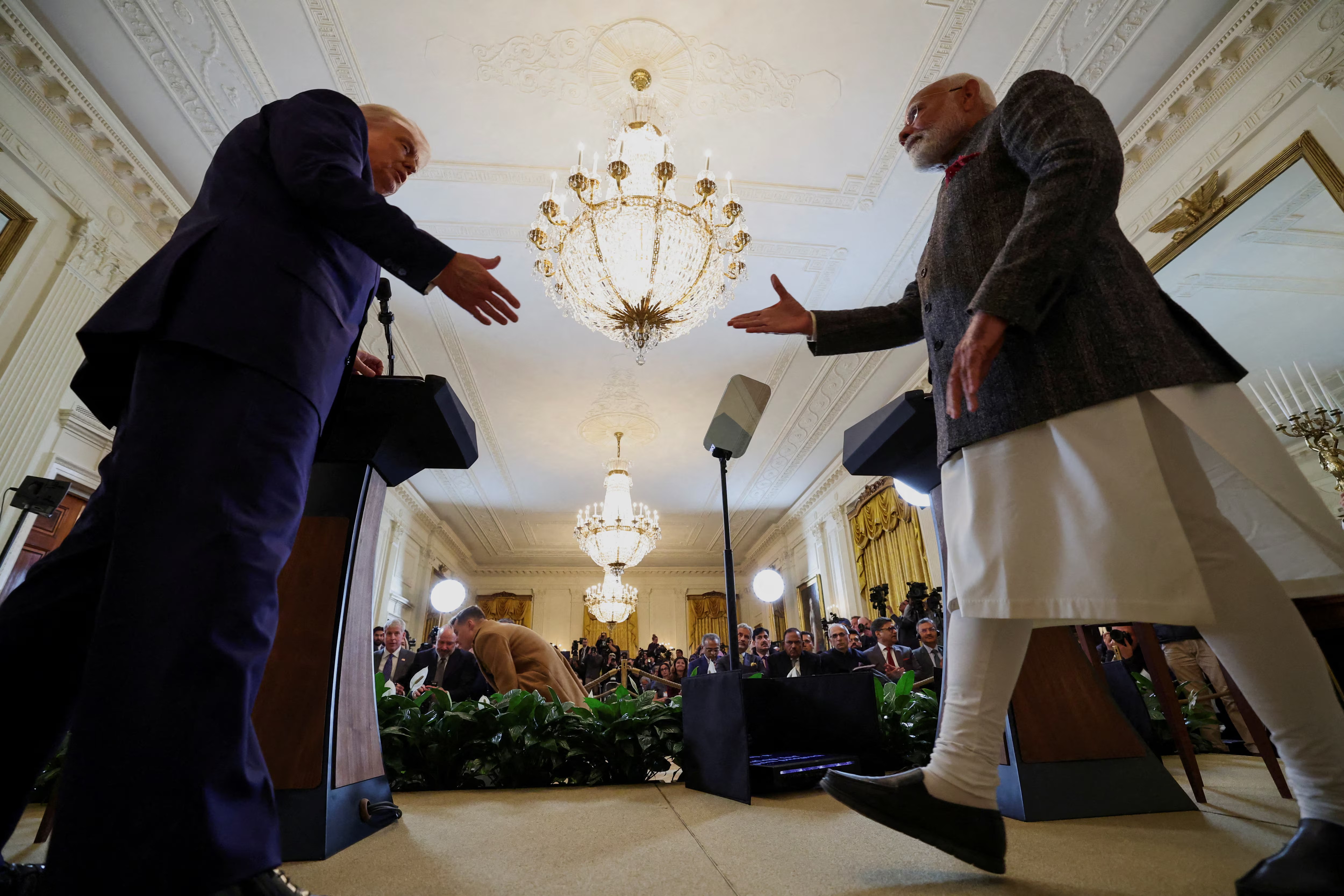
India vs U.S.: New Trade Friction as India Proposes Steel Import Tariffs
🇮🇳 India Puts Tariffs in Play
India’s Directorate General of Trade Remedies (DGTR) has recommended a three-year safeguard tariff on select steel products—starting at 12% in the first year, dropping to 11.5% in the second, and settling at 11% in the third. This follows the emergency 12% duty already imposed in April. The move reflects India’s intent to shield domestic mills from a sudden wave of imports, mainly originating from China, Vietnam, and Russia.
The DGTR argued that without safeguards, cheap imports could destabilize India’s steel sector, jeopardizing production, investment, and jobs. The government has positioned this as a strategic balancing act—protecting industry while avoiding a steep inflationary effect on infrastructure projects.
🇺🇸 U.S. Not Off the Hook
Across the globe, trade relations are entering choppier waters. The U.S. is under pressure from Japan, South Korea, and the European Union, who were promised tariff relief on autos and steel but have yet to see results. Analysts suggest that if Washington delays further, trust in U.S. trade commitments could weaken.
For India, this complicates matters. New tariffs aimed at defending domestic markets could clash with U.S. expectations of freer access, especially as both nations deepen cooperation in technology and defense. The concern is that steel—a sector often at the center of trade battles—could become a flashpoint in broader U.S.–India ties.
🌍 Impact on Global Trade
-
Market Disruption: Import-dependent industries in India—such as construction, engineering, and automotive—may face rising costs as tariffs raise procurement expenses.
-
Price Ripple Effect: Analysts expect Indian domestic steel prices to firm up, while global exporters search for new buyers.
-
Risk of Escalation: If Washington responds with countermeasures, it could spark a mini trade war, affecting not just metals but also technology and services.
-
Strategic Realignment: Exporters from China and Vietnam may pivot to Africa or Southeast Asia, while India strengthens domestic supply chains.
📌 What Exporters Should Do
Exporters need to adjust quickly to this shifting landscape. Practical steps include:
-
Diversifying buyers beyond India to reduce tariff exposure.
-
Emphasizing value-added products where price sensitivity is lower.
-
Strengthening logistics and reliability, which may outweigh minor cost disadvantages.
-
Monitoring policy closely, as India could revise duty structures depending on demand and political priorities.
🔎 What to Watch Next
-
Will India’s Cabinet approve the DGTR’s tariff plan in October 2025?
-
Could the U.S. retaliate with its own duties or withdraw trade concessions?
-
Will this trigger a domino effect—with other countries imposing similar protective tariffs?
-
How will the infrastructure boom in India react to costlier inputs?
In Summary:
India’s proposed safeguard tariffs are designed to protect local mills, but they risk reshaping global trade flows and introducing new friction with the U.S. Exporters should treat this as both a challenge and an opportunity—those who adapt with agility, focus on value, and diversify markets will be best positioned to thrive in this new trade reality.