
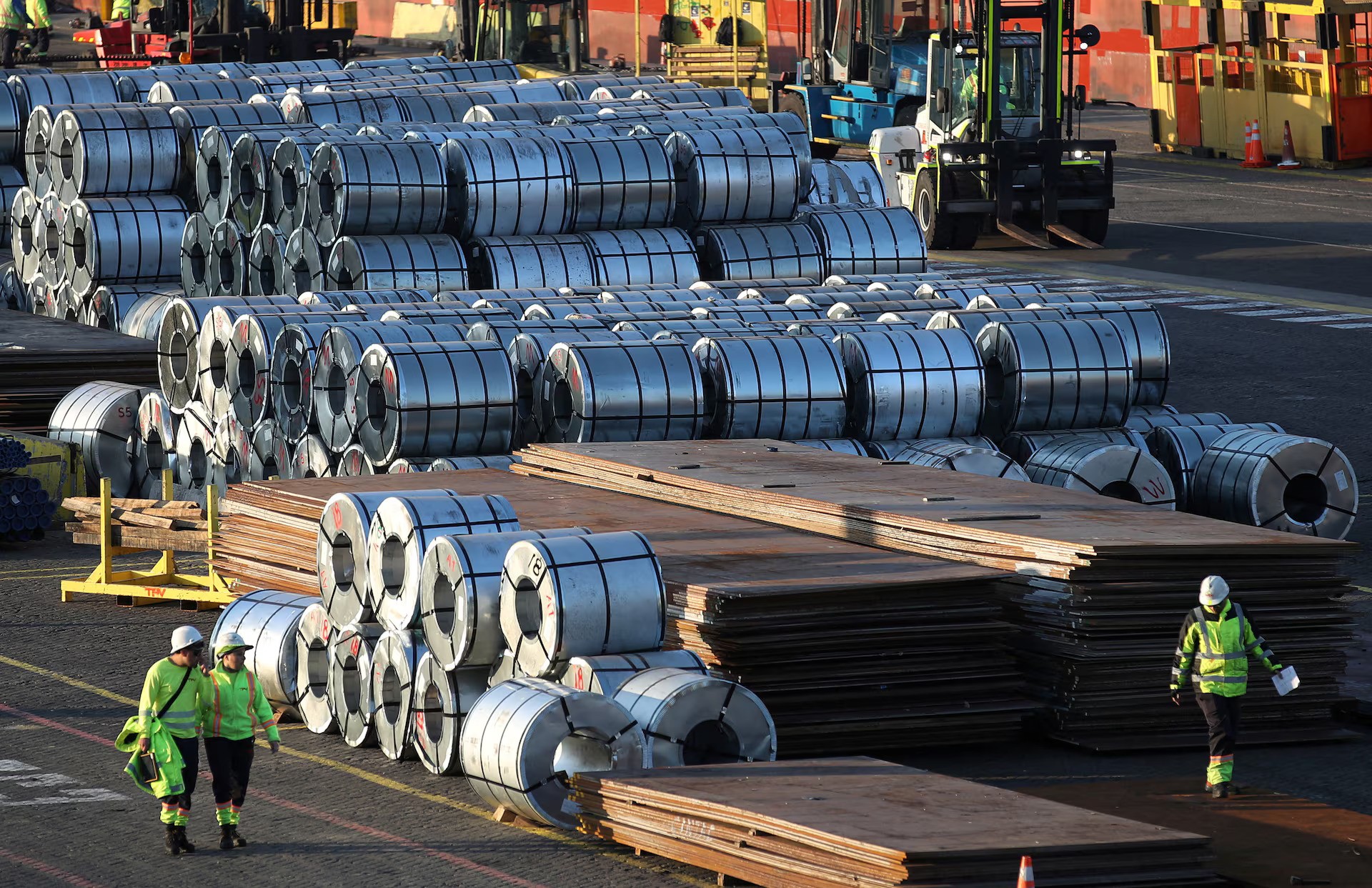
Export Surge: China Sets Off Global Trade Alarm
🇨🇳 Record Steel Exports Defy Trade Barriers
China's steel exports are projected to reach an all-time high in 2025, estimated between 115 and 120 million metric tons—an increase of 4% to 9% from earlier forecasts. This comes despite a wave of new trade barriers, including over 54 tariffs imposed since 2024. Weakening domestic demand, especially following the property market slowdown, is pushing China to offload more steel abroad.
Major recipients of Chinese steel are shifting: Middle Eastern, Central Asian, and North African countries are importing more, while shipments to Vietnam and South Korea have dropped, partly due to anti-dumping measures. Exporters are also increasing shipments of semifinished products like billets, which face fewer trade restrictions.
🔧 Iron Ore Demand Holds Firm Despite Output Dip
While steel output in China has declined for the third month in a row—dropping to about 77.37 million tonnes in August, a 2.9% fall from July—the demand for iron ore remains strong. China imported 105.23 million tonnes in August, and forecasts for September point to 112.2 million tonnes, potentially the month’s highest haul since December 2024.
Iron ore futures in Singapore have responded, rallying to approximately US$105.50 per ton, nearing a six-month peak.
🌐 Trade Pressure & Policy Ripples
-
Export-Driven Push: Chinese producers are racing to export more before new tariffs and restrictions tighten further. There is concern that trade partners will impose stronger protections or levies in response.
-
Value vs. Volume: As more lower-value, semifinished steel is exported, total export volume rises but dollar value per unit is falling—challenging for exporters relying on revenue rather than just volume.
-
Importing Country Actions: Countries like Vietnam, South Korea, and others are stepping up anti-dumping rules and tariffs to protect their domestic steel and metal industries.
🛠 What Exporters Should Do
-
Monitor Tariffs Closely: Be on guard for new duties, especially in markets with rising imports from China.
-
Differentiate Products: Higher-value steel or custom finishes may avoid some trade barriers better than bulk, standard steel.
-
Watch Raw Material Costs: Iron ore volatility could squeeze margins if input prices rise without matching product price gains.
-
Explore Alternative Markets: Central Asia, Africa, and the Middle East may offer growing demand with fewer restrictions currently.
🔍 What to Watch Next
-
Will China or its trading partners introduce new policies to discourage semifinished steel exports?
-
How will global steel prices react to the mix of high export volumes and declining domestic consumption?
-
Will iron ore prices stay elevated if demand remains strong even though output drops and inventories inch up?
In Summary:
China’s export surge—even amid rising trade barriers—highlights how supply and demand pressures are rewiring global steel flows. For exporters and logistics players, the mix of rising export volume, shifting policy environments, and strong raw material prices means both risk and opportunity. Adaptability, product differentiation, and awareness of trade policy are essential to staying ahead.