
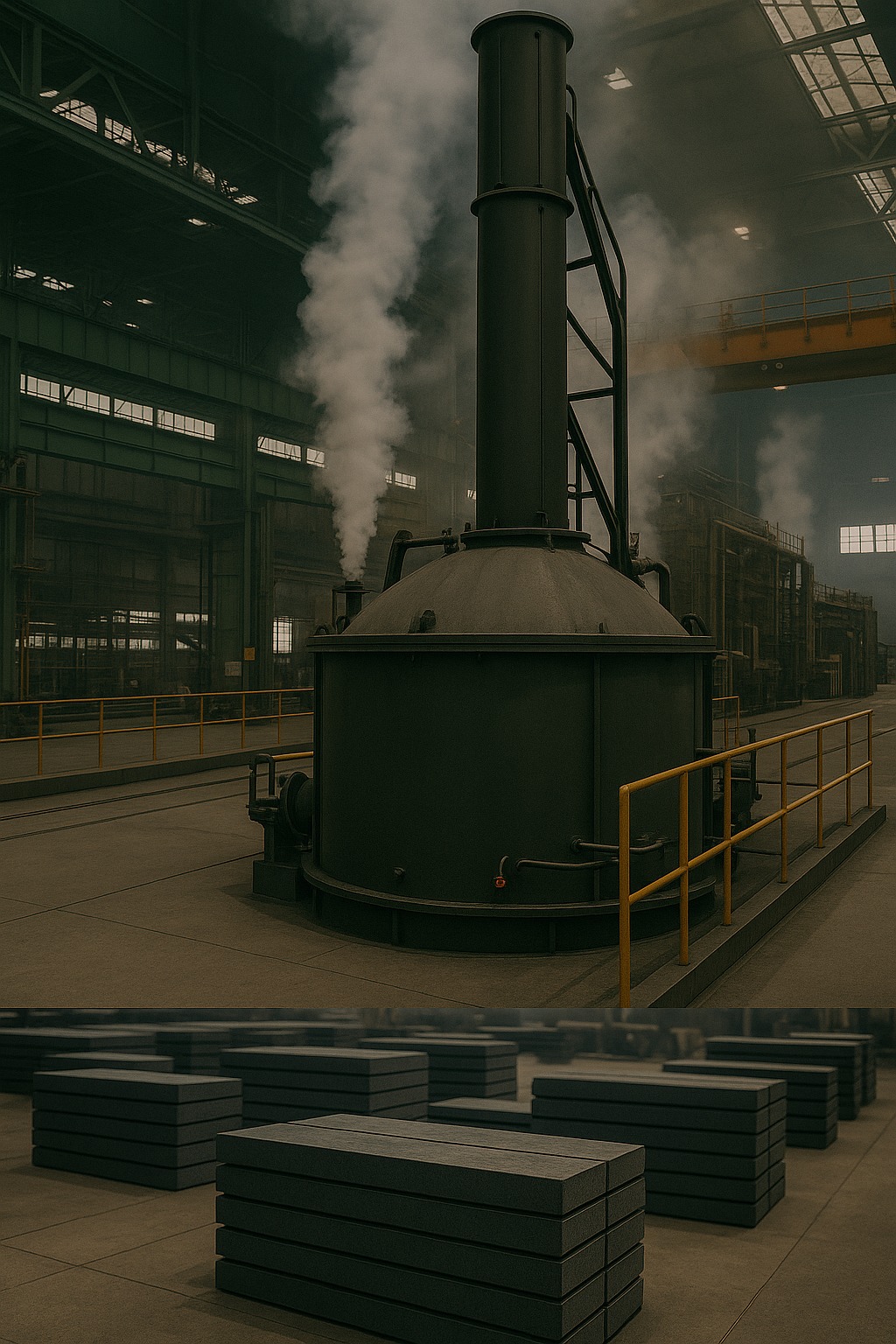
Embracing Green Steel: The Future of Sustainable Production
The steel industry is undergoing a transformative shift towards sustainability, driven by increasing environmental regulations and the global imperative to reduce carbon emissions. Steel production accounts for roughly 7-9% of global CO2 emissions, making decarbonizing this sector critical for achieving climate goals.
Major steel-producing countries, including India, China, and the EU, are investing heavily in green steel technologies to reduce their carbon footprint. Two of the most promising approaches are hydrogen-based direct reduced iron (DRI) and electric arc furnace (EAF) steelmaking.
Hydrogen DRI replaces traditional carbon-intensive coke used in blast furnaces with green hydrogen produced via renewable energy. This can reduce emissions by up to 90% compared to conventional methods. Though still in pilot and early commercial stages, hydrogen DRI is rapidly gaining traction with several large steel producers announcing projects and collaborations.
Electric arc furnaces, which recycle scrap steel, already offer a much lower carbon footprint than traditional blast furnaces. Increasing the share of EAF steelmaking globally is a key strategy for decarbonization. The technology is also more energy efficient and flexible, allowing manufacturers to respond faster to market demand.
Governments worldwide are supporting this transition through subsidies, carbon pricing, and favorable policies. India, for instance, has launched the Production Linked Incentive (PLI) scheme encouraging investments in specialty and green steel production.
Apart from reducing emissions, sustainable steel production improves resource efficiency by promoting circular economy principles. Recycling scrap steel reduces the need for raw material mining, conserving natural resources and lowering environmental degradation.
Consumers are increasingly demanding sustainable products, pushing industries to adopt green steel for construction, automotive, and appliances. This market pull is expected to accelerate adoption and innovation.
While challenges such as high initial costs, infrastructure needs, and technological scaling remain, the momentum behind sustainable steel is undeniable. The next decade will be critical as the steel sector balances economic growth with environmental stewardship.
Sustainable steel is not just an industry trend—it’s a necessity for the planet’s future. Steelmakers that invest early and innovate will not only reduce their carbon footprints but also capture new markets driven by eco-conscious consumers and regulatory frameworks.