
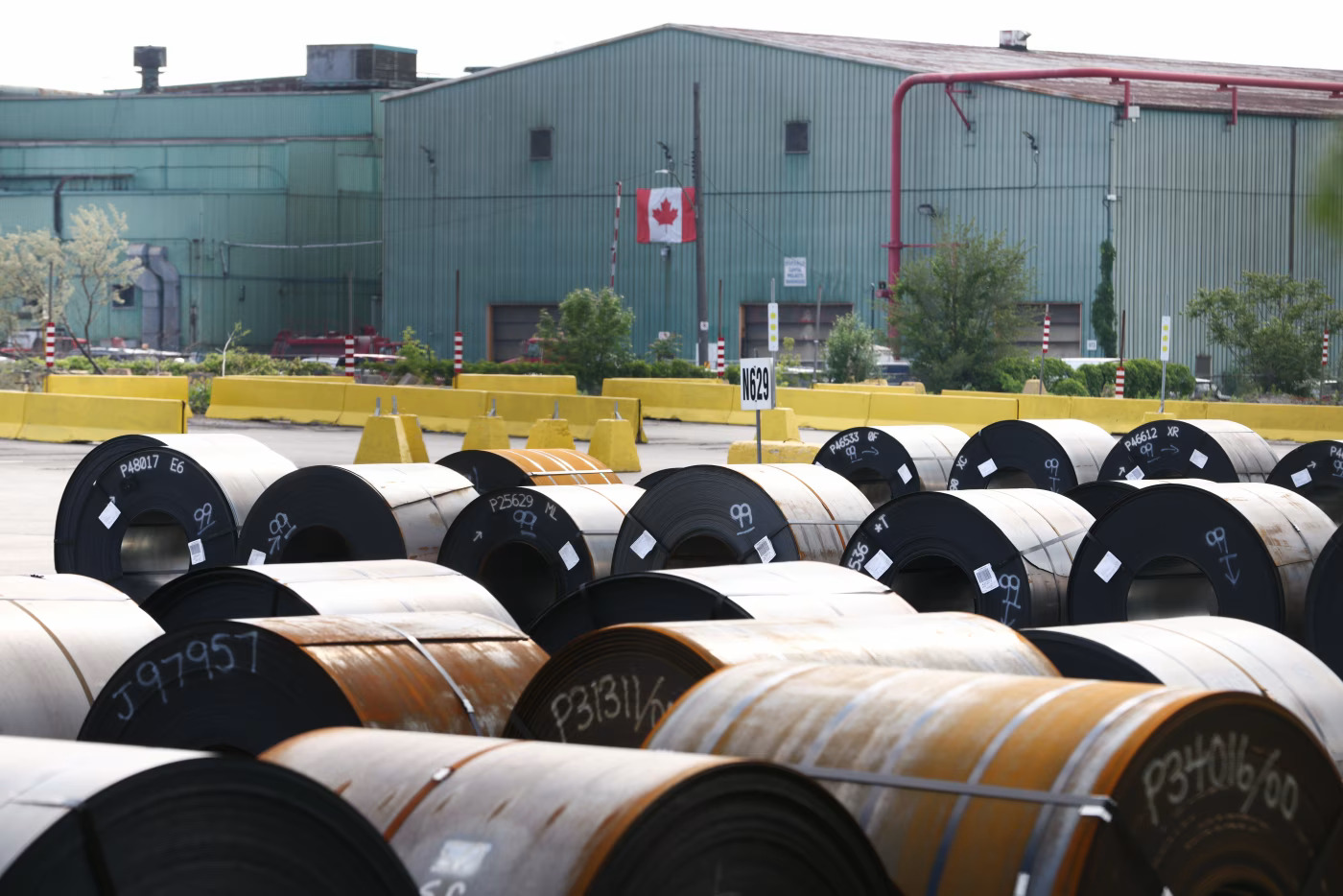
Canada Strikes Back: 100% Tariffs Shake Global Steel Trade
This week, Canada's aggressive response to U.S. tariff hikes has seized global headlines. Here’s your 500‑word, fact‑checked, parsed analysis with bold highlights to help your audience stay informed.
🇨🇦🇺🇸 Canada’s Bold Trade Defense
-
Starting July 21, 2025, Canada will impose a 100% tariff on steel and aluminum imports from all non‑US countries, while raising existing 25% duties on U.S. metals.
-
This move follows U.S. President Trump's June hike from 25% to 50% tariffs, which Canada labeled “catastrophic” for its $15 billion steel/aluminum sector and 23,000 in‑country jobs.
📌 Why It Matters
-
National defense of domestic industry: Canada’s measures aim to protect 100,000 jobs tied to its metals sector and secure procurement for national infrastructure, defense, and automotive supply chains.
-
Trade balance recalibration: As Canada exports over 90% of its metals to the U.S., these new tariffs mark a major pivot, signaling possible escalation or a push for a new trade pact within 30 days.
-
Strained North American alliance: The move follows a June 3 U.S. executive order imposing 50% tariffs under Section 232, leaving Canada no choice but to retaliate and negotiate.
🌍 Global Ripple Effects
-
U.S. downstream manufacturers face rising input costs and supply volatility, prompting potential relocation of production and sourcing.
-
Export shift: Canadian mills look toward neutral markets like Europe and Asia, where tariffs aren’t yet in play, reshaping steel trade flows across continents.
-
Trade tensions escalate: Within North America and beyond, other nations are analyzing similar protections; global supply chains may adapt to this new tariff reality.
🏭 Strategic Implications for Exports
-
Heightened market responsiveness: Exporters must monitor shifting tariff zones, prioritizing countries not subject to Canada’s new measures or seeking treaty-based exemptions.
-
Procurement planning: Buyers in the U.S. dependent on Canadian steel may preemptively diversify sourcing to manage cost pressures.
-
Potential renegotiation surge: Pressure mounts for renegotiating trade frameworks like USMCA and for mutually acceptable tariff carve-outs to stabilize long-term trade.
🚦 Key Watchpoints
-
Negotiation deadline: A 30-day window is open for Canada and the U.S. to agree on reciprocal relief before July 21. Watch for updates.
-
Implementation details: Explore how Canada’s “100% tariff” will be phased in and whether exemptions or quotas apply.
-
Global alliances: Will Canada align with other trading powers (e.g., EU, UK) to form unified responses to U.S. trade policy shifts?
Summary:
In a rare bold strike, Canada has doubled down to defend its $15 billion metals industry against U.S. "catastrophic" tariffs. With 100% tariffs, procurement preferences, and a tight timeline, this move underscores escalating North American trade tensions. Exporters and global steel buyers must adapt—fast—to shifting supply lines and procurement risk.